

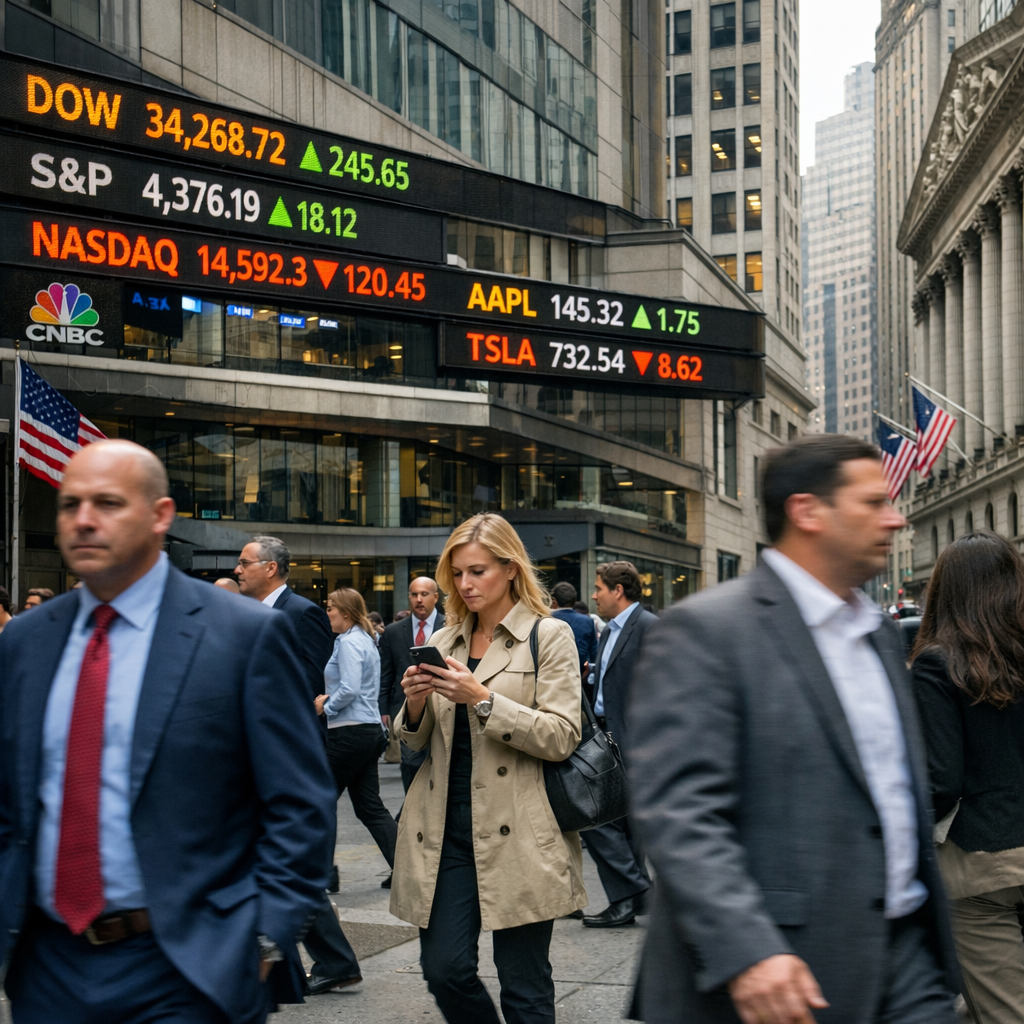
The U.S. economy has recently exhibited a mix of growth and challenges. In the second quarter, the Gross Domestic Product (GDP) expanded by 1.5%, a slowdown from the 2.1% growth observed in the first quarter. This deceleration is largely attributed to an increase in imports, which have outpaced exports.
On a positive note, consumer spending has shown resilience, rebounding with a 3.2% annual increase. This uptick indicates that, despite economic uncertainties, consumers continue to contribute significantly to economic activity.
However, the housing market faces headwinds. The average 30-year fixed mortgage rate has risen to 6.66%, marking the highest level in a year. This increase places additional financial pressure on prospective homebuyers and may dampen housing market activity.
Inflation remains a concern, as it continues to exceed the Federal Reserve’s 2% target. In response, the Federal Reserve has maintained interest rates at 3.6%. Internal discussions within the Fed suggest a potential for future rate hikes if inflation persists.
In the labor market, unemployment claims have seen a slight uptick to 197,000. Despite this increase, the figure remains within historically low levels, indicating a relatively strong job market.
These economic indicators collectively paint a picture of an economy in transition, balancing growth with emerging challenges. Staying informed about these trends is crucial for individuals and businesses as they navigate the evolving economic landscape.